
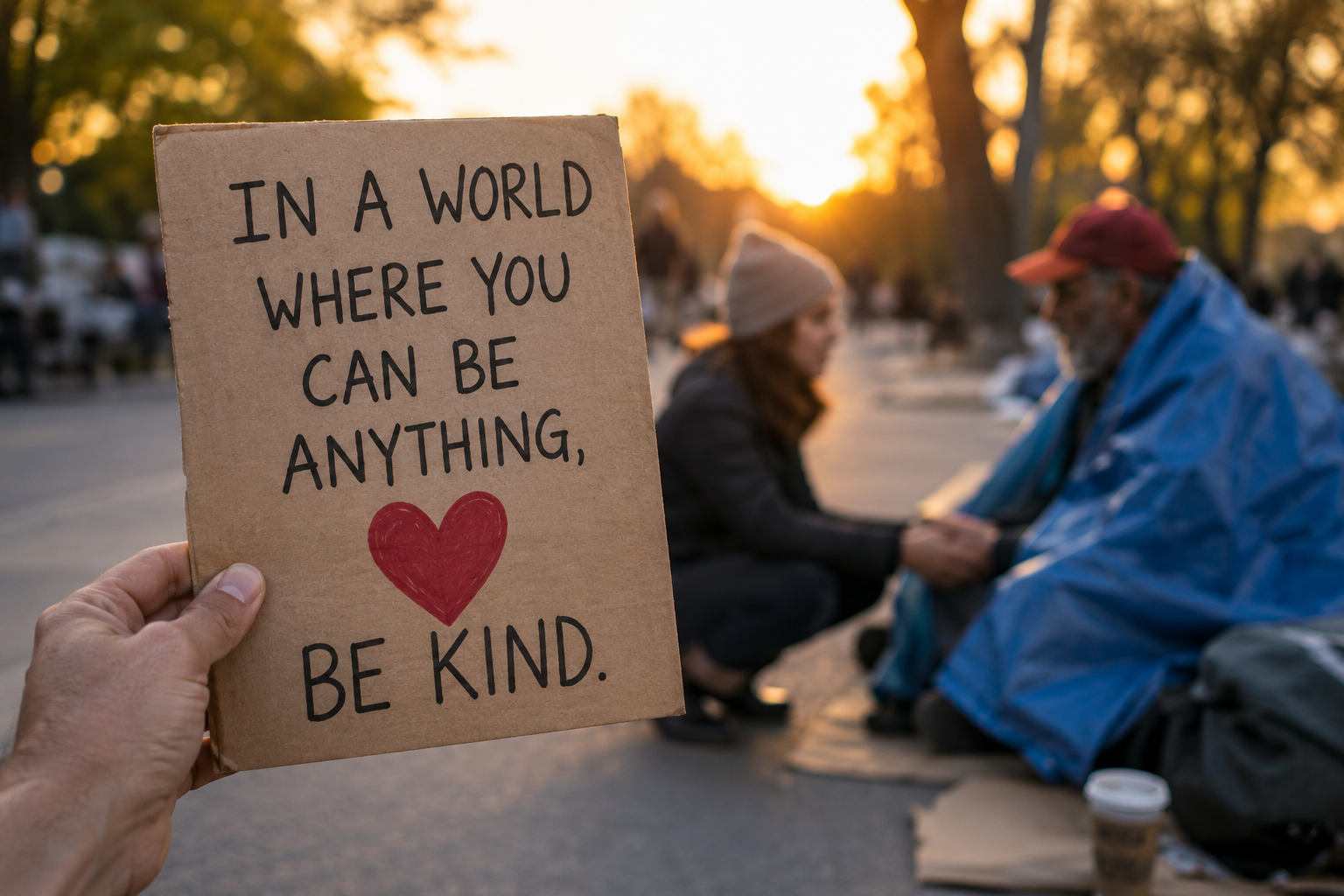
Why Empathy Matters: How Kindness, Communication, and Respect Can Change Society
Empathy is one of the most important human qualities we possess. It allows people to connect, communicate, care for one another, and create healthier families, workplaces, and communities.
Without empathy, society becomes divided, angry, and disconnected.
Unfortunately, many people today feel that empathy, tolerance, and respectful communication are disappearing from everyday life. Instead of listening and learning from one another, people are often encouraged to criticize, judge, reject, or attack those who think differently.
This growing lack of empathy affects relationships, families, workplaces, schools, communities, and even the emotional health of individuals.
What Does It Mean to Lack Empathy?
A lack of empathy occurs when someone struggles to understand, care about, or consider another person’s emotions, experiences, or perspective.
Empathy does not mean agreeing with everyone. It means being willing to listen, communicate respectfully, and recognize that every person has value.
When empathy disappears, people often become:
- Judgmental
- Intolerant
- Emotionally reactive
- Defensive
- Angry
- Divided
- Dismissive of others
- Less willing to communicate openly
Healthy communication becomes difficult when people stop listening and only focus on proving themselves right.
The Importance of Respectful Communication
Many people today feel emotionally exhausted by negativity, division, hostility, and constant conflict.
Social media, news outlets, politics, and public discourse often reward outrage rather than understanding. Unfortunately, this influences how people communicate with family members, coworkers, neighbors, and even strangers.
Respectful communication requires:
- Listening without immediate judgment
- Asking questions instead of making assumptions
- Remaining open to learning
- Managing emotional reactions
- Treating others with dignity
- Speaking with kindness and patience
When people communicate respectfully, relationships improve and emotional tension decreases.
Kindness and Empathy Can Change Lives
Simple acts of kindness can have a powerful emotional impact.
A smile. A kind word. Patience while driving. Respect during disagreement. Acknowledging another person’s feelings. Listening attentively instead of looking at a phone.
These small moments matter more than many people realize.
Kindness costs nothing, but the emotional effect can be life-changing.
Many people are struggling silently with stress, grief, anxiety, loneliness, anger, or emotional pain. Compassion and empathy can help others feel seen, valued, and supported.
Teaching Children Empathy by Example
Children learn emotional behavior primarily through observation.
If children grow up surrounded by anger, intolerance, hostility, or disrespectful communication, they often repeat those behaviors later in life.
However, when children witness empathy, kindness, patience, accountability, and respectful disagreement, they learn healthier emotional skills.
Teaching empathy includes:
- Modeling respectful communication
- Encouraging emotional awareness
- Listening without shaming
- Demonstrating kindness daily
- Showing patience during conflict
- Treating others equally and respectfully
The future of society depends greatly on the emotional examples adults provide today.
Managing Anger, Conflict, and Emotional Reactions
Road rage, public hostility, violence, online attacks, and emotional outbursts have become increasingly common.
Many people react impulsively rather than thoughtfully.
The good news is emotional reactions can be changed.
People can learn healthier ways to:
- Manage anger
- Reduce emotional reactivity
- Improve communication
- Develop patience
- Build empathy
- Resolve conflict peacefully
- Create healthier relationships
Real emotional strength often comes from self-control, compassion, and understanding rather than aggression or dominance.
Be the Change You Want to See in Others
Each person has the ability to improve the emotional environment around them.
You do not need to change the entire world overnight. Positive change often begins one interaction at a time.
One kind conversation. One moment of patience. One act of understanding. One respectful disagreement. One person choosing empathy instead of hostility.
The energy we bring into the world affects others more than we realize.
You cannot fully profess love, faith, kindness, or compassion without practicing those values daily through your words, thoughts, and actions.
Be the example you hope others will follow.
For more guidance, emotional support resources, or personal growth services, visit Susan Anderson Counseling and Guidance.